Exploring the Abundant Natural Resources of the Shenandoah Valley
Recent Trends
In recent years, attention has shifted toward balancing the use of the Shenandoah Valley’s natural resources with long-term sustainability. Tourism centered on outdoor recreation—hiking, fishing, and agritourism—has grown steadily, drawing increased scrutiny on water quality and forest health. Meanwhile, agricultural producers are adopting conservation tillage and cover-crop practices to protect soil fertility. Energy development, particularly solar farms, has sparked local debate about land-use priorities.

- Rising demand for local food and craft beverages is putting pressure on water quantity and quality.
- Conservation easements have expanded across private forestland, but at a pace that varies by county.
- Quarrying of limestone and shale continues, with operators facing tighter noise and dust regulations.
Background
The Shenandoah Valley spans a region of fertile limestone-derived soils, abundant groundwater, and mixed hardwood forests. The Shenandoah River and its tributaries supply drinking water and irrigation for thousands of acres of cropland and pasture. Beneath the surface, extensive karst aquifers provide high-yield groundwater, but also make the region vulnerable to contamination. Historically, the valley’s resources supported subsistence farming, then diversified into commercial orchards, livestock, and timber.
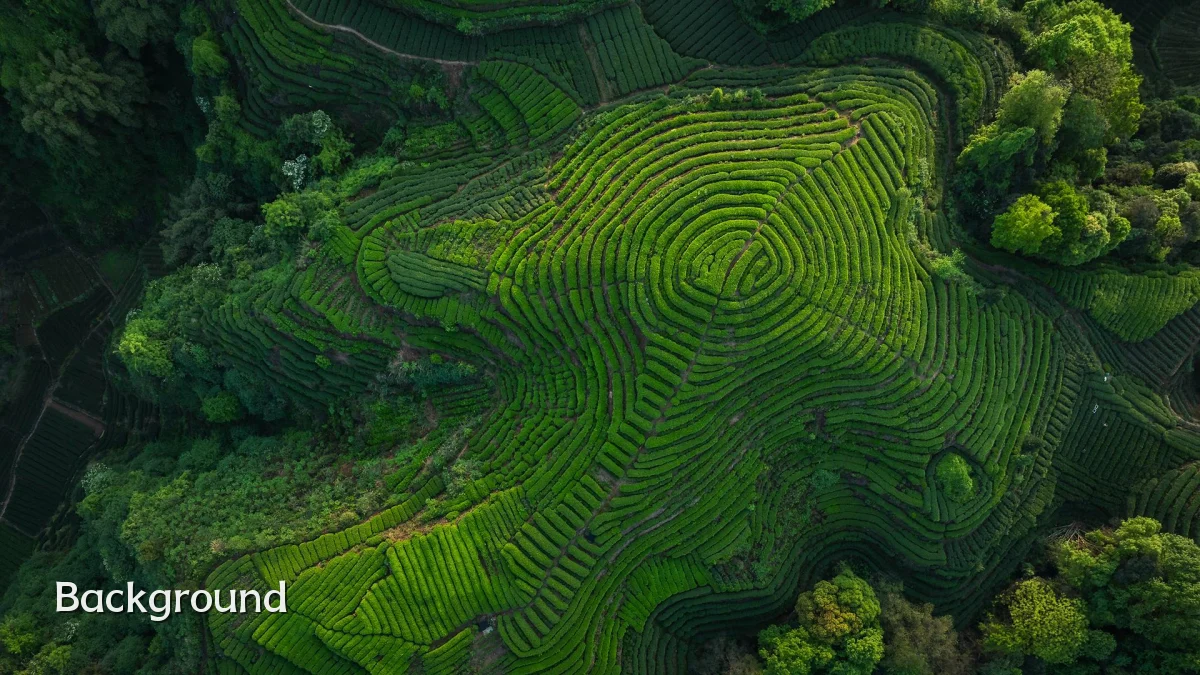
- Soil: Deep, well-drained loams ideal for row crops, hay, and specialty produce.
- Water: River flows fluctuate seasonally; local wells depend on recharge from rain and snowmelt.
- Minerals: Limestone, dolomite, and shale are extracted for construction and road building.
- Forests: Oak-hickory and mixed pine forests cover about 55–65% of the region, depending on the county.
User Concerns
Residents, farmers, and outdoor enthusiasts frequently express worries about resource degradation. Water quality ranks high: runoff from developed areas and farm fields can introduce sediment and nutrients into streams. New housing subdivisions and commercial centers reduce open land, while fragmenting wildlife corridors. Visitors worry about overcrowding at popular natural sites, and some rural communities fear that resource extraction—whether quarrying or energy projects—will alter the landscape permanently.
- Access to clean drinking water from private wells, especially in karst areas where contamination can travel quickly.
- Loss of prime farmland to non-agricultural development.
- Balancing public access to forests and rivers with private property rights.
- Competition for water during droughts between municipal supply and agricultural irrigation.
Likely Impact
Continued growth in population and visitation will likely intensify demand for the valley’s natural resources. If proactive conservation measures—such as riparian buffers, improved stormwater management, and farmland preservation—are adopted at scale, water quality and soil health could remain stable or improve. Conversely, if land conversion outpaces protection, long-term productivity of farms and forests may decline. The economic impact of tourism depends on managing infrastructure and access; too much pressure could degrade the very assets visitors seek. Energy projects may bring tax revenue but also create local opposition.
What to Watch Next
Several indicators will signal how resource management evolves over the next few years.
- Updates to local comprehensive plans: whether they incorporate stronger groundwater protection and cluster development rules.
- Progress of large-scale conservation easements in key watersheds, such as the Shenandoah River headwaters.
- Adoption of agricultural best practices among row-crop and livestock operations, monitored through cost-share program participation.
- Permitting trends for new quarries, solar farms, and residential subdivisions in rural zoning districts.
- Water-use reporting from public utilities and irrigation districts, especially during low-flow summers.