How to Plan the Absolute Perfect Escape Weekend for Under $500

Recent Trends in Budget Weekend Travel
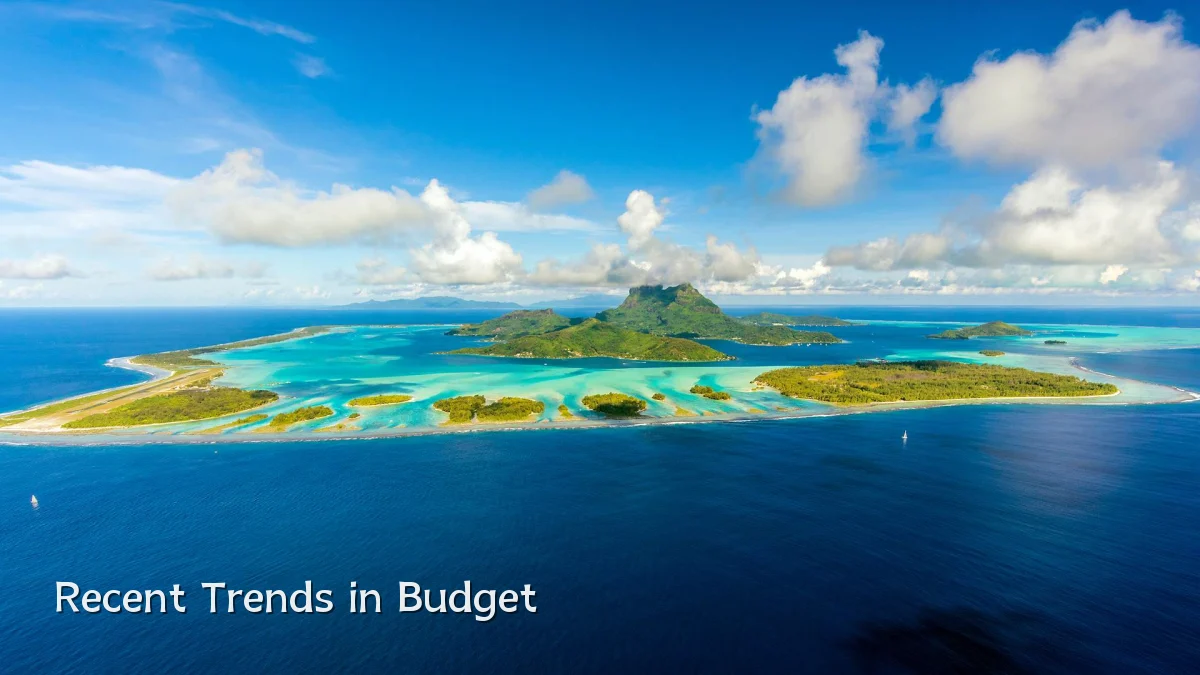
Demand for short, affordable getaways has risen sharply as travelers prioritize value without sacrificing experience. Social media feeds increasingly highlight "micro-escapes" that are within driving distance and under $500 total, reflecting a shift toward intentional, low-cost breaks that feel luxurious without the premium price tag. Travelers are also leaning into shoulder-season timing and mid-week departures to stretch budgets further.
- Growing popularity of staycations and nearby adventure destinations
- Rise of "boutique budget" offerings from smaller accommodations and local tour operators
- Increased use of price-alert tools and flexible date searches
Background: Why the $500 Benchmark Matters
The $500 threshold represents a practical psychological cap for many households aiming for a restorative break without financial strain. Historically, weekend travel costs have climbed steadily, with transportation and lodging consuming the largest share. The "absolute perfect escape" concept reframes the weekend as more than a trip — it is a curated mini-retreat where every dollar is allocated to what matters most: rest, connection, or adventure. This approach demands trade-offs, such as choosing a local nature spot over a flight or opting for room amenities over dining out.

- Accommodation and gas often account for 60-70% of a budget weekend
- Strategic packing and meal planning can reduce daily costs significantly
- Free or low-cost attractions (hiking, beach days, festivals) provide high perceived value
User Concerns: Balancing Cost with Experience Quality
Many travelers worry that a tight budget will lead to a disappointing or stressful escape. Common anxieties include hidden fees, underwhelming lodging, and unexpected meal costs. Others fear missing out on "must-do" activities due to price. The central challenge is selecting a destination and itinerary where the baseline experience already feels rewarding, so small upgrades feel like bonuses rather than necessities. Transparent pricing from providers and clear upfront planning help mitigate these concerns.
- Fear that cheap accommodations will compromise relaxation or safety
- Uncertainty about how to prioritize spending (lodging vs. activities vs. dining)
- Concern that limited funds will force a rushed or stressful itinerary
Likely Impact: Shifts in Travel Behavior
As more travelers adopt the under-$500 model, destinations within a 3-4 hour drive will see increased interest, while demand for long-weekend air travel may soften. Local economies benefit from higher visitation to small towns, state parks, and independent lodgings. Travelers become more resourceful, learning to pack food, book early, and seek free experiences — habits that often persist even when budgets grow. This trend could also push providers to offer more bundled weekend packages and transparent pricing to attract cost-conscious visitors.
- Stronger pull toward regional destinations and off-peak timing
- Growth in DIY itineraries and peer-recommended budget hacks
- Pressure on accommodations to deliver clear value at lower price points
What to Watch Next: Evolving Strategies for Affordable Escapes
Watch for new tools that help travelers simulate "perfect" itineraries on a budget — from dynamic route planners to community-built weekend guides. Platforms that highlight last-minute deals or cancellations could become more popular. Also keep an eye on the rise of "slow weekends" that focus on one deep experience rather than multiple activities, a pattern that naturally keeps costs low and satisfaction high. The biggest shift may be cultural: more people viewing a $500 weekend not as a compromise, but as the ideal form of escape.
- Growth of hyperlocal travel content and budget-focused influencer niches
- Potential for more lodging partnerships offering inclusive $500 packages
- Rise of "repeatable" escapes — standard cheap itineraries people reuse